


Toxic Masculinity meets Vogue & Harry Styles: An Opinion Piece
- Krishan

- Nov 18, 2020
- 5 min read

As some of you may have recently seen, Harry Styles graced the cover of the December 2020 issue of Vogue clothed in a beautiful blue gown. This has since become quite the topic of conversation amongst political figures and celebrities alike here in the states. Now Harry Styles is no stranger to pushing the boundaries of men's fashion, having shown up to the red carpet on more than one occasion in what some would consider "feminine" garb. But Vogue, as a publication, has come under fire for their most recent issue primarily by an outspoken political commentator named Candace Owens, who deemed the photos "perverted" and inappropriate. This topic has opened up a treasure trove of the problems with societal norms and toxic masculinity. A topic that has really resonated with me and is something that I wanted to discuss in the first opinion piece I am writing for this blog. (Please note: addressing toxic masculinity and discussing this controversy has nothing to do with not recognizing men's masculinity. There are inherent biological differences between men and women that do give men certain masculine traits. This piece is just to discuss societal standards of masculinity and gender stereotypes.)
First and foremost, I wanted to define masculinity and how it can become toxic. Masculinity in itself is simply an idea. It is a set of expectations of males that can vary from culture to culture. Masculinity can be defined as a set of attributes, behaviors and roles associated with boys and men. (1) Where these societal expectations or stereotypes become problems is when someone is considered "less" of a man for not doing certain things or acting a certain way. Some of the male gender stereotypes in the United States that I can think of off of the top of my head include: assertiveness, excelling in sports versus liberal arts, sexual appetite, providing, "manning up" versus feelings, dominance, competitiveness, sitting with their legs apart as opposed to crossed, etc. While not all of these traits would be considered toxic, there does come a point when pushing these gender expectations on males can lead to a harmful societal standard. A few that I see as becoming toxic are things like sexual appetite, "manning up" and dominance.
Take sexual appetite for example. It is almost an expectation that boys, from a young age, show interest in girls and start exploring with intimacy. A lot of times they get high-fived for losing their virginity, having more than one sexual partner at a time, etc. Vulgar and disrespectful bragging gets down played as "locker room talk" or "boys being boys". The standard from puberty seems to be hooking up with girls, otherwise you're "gay" or a "p***y". What this does is set the precedent that boys are entitled to intimacy. This idea can lead to things like sexual assault, risky promiscuity and even domestic violence. It sets the tone for a hypocritical society where females exploring with intimacy the same as their male counterparts, will just be looked at as tainted, a slut or an object.
When it comes to "manning up", one of the worst things you can teach males from a psychological standpoint, it creates the expectation that they should not be vulnerable emotionally or deal with their emotions. This can cause higher rates of anxiety, depression, PTSD and suicide. I know that we've all heard someone tell a male, at least once in our lives, to "suck it up", "quit crying like a baby" or even a guy telling you that he doesn't remember the last time that he cried as if he deserves something for good behavior. There can be so many negative affects of bottling up emotions down the road.
Secondly, toxic masculinity is a societal issue not a political issue. To claim that, and I quote, "On the left, they hate anything normal and anything that looks remotely normal the left sees it and wants to tear it down." What does toxic masculinity and Harry Styles wearing a dress on the cover of Vogue have to do with political parties? Normality is an idea. What is normal has to do with the people and culture that directly surround you. It has nothing to do with some umbrella law of expectations set forth by an almighty power for all of us to adhere to. If we want to make this at all political, we can do so by simply recognizing that both political parties react completely differently to things out of their comfort zone. The "Left" tends to embrace people's individuality and differences by wanting equal rights for all, no matter what. The "Right" tends to disregard people's individualities and differences by wanting to control or limit what makes them uncomfortable based upon their own belief system. Outside of that, there is no reason why Harry Styles wearing a dress should be a topic of political conversation.
When I heard the statement, "Men wearing dresses is a perversion" I immediately felt sick to my stomach. How far gone are certain ideals in our society that we cannot even differentiate between a perversion and a garment of clothing? That is the literal definition of toxic masculinity. It brings me to the topic of Transgender individuals, whom many times are falsely regarded as "perverted". It always seems like the only Transgender people that are ever discussed are those that transition male to female. In my opinion, it's because no one can seem to fathom why a man wouldn't want to be a man. I've actually met people who didn't even know that there was such a thing as a FTM or Female to Male transition. Toxic much? 41% of Transgender individuals try to or successfully commit suicide. (2) I've known of 2 myself, both were MTF (Male to Female). Stop with the toxic masculinity.
When was the last time something made you uncomfortable and you actually stopped to think about why? Why does seeing a guy in a skirt make you uncomfortable? Why does seeing a guy with painted nails or eyeliner on make you uncomfortable? Have you ever realized that it is literally as simple as the 90% of people around you don't do it, so it's ingrained in you to find those people that do to be "weird" or "disturbed". Do you go to a different place, like Ethiopia for example, where the Surma people are known for lip plates and find them disturbed? (3) No, because at that point you are surrounded by their culture and many of their people do it. But if you saw someone in your local grocery store with a lip plate, you would gasp, sneak a picture and find them "disturbed". Do you see how normality is an idea and not a realistic expectation of those around you?
What makes people applaud those like Harry Styles for his choices of fashion or Cardi B for her "controversial" sexual lyrics, is the confidence that they have to push societal boundaries of what we are trained to believe are normal gender stereotypes. 'Men shouldn't wear dresses. Women shouldn't be openly sexual.' These are ideas, not laws. They are challenging us to broaden our ideals and to be more open-minded. You can be both manly and wear a feminine piece of clothing. You can be womanly and still own your sexuality. Calling these types of ideas "perversions" is not only wrong, its a disgrace. It creates a culture of shame, embarrassment and judgement instead of one that focuses on joy, acceptance and love.
Lastly, let's touch on males in what western culture would consider "feminine clothing" by taking a look around the world and throughout history:
1. Ancient Rome/Greece/Egypt: Togas and Tunics

2. Medieval Times: Tunics and Tights

3. Korea: Hanbok
4. Scotland: Kilt (Of course I had to share the picture of Jamie Fraser)

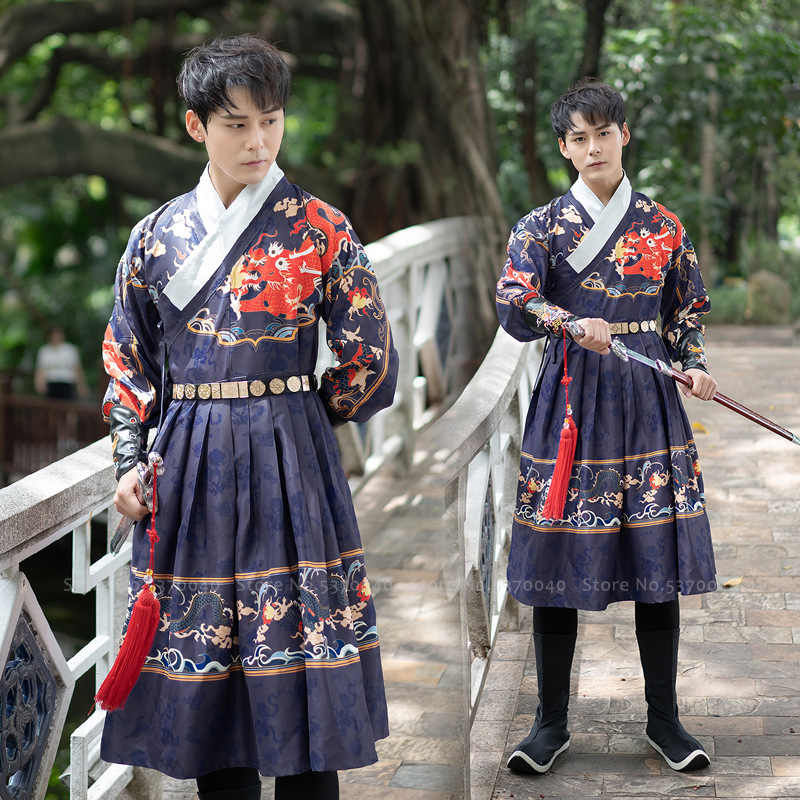
5. China: Hanfu

6. India/Malaysia/Sri Lanka/Bangaladesh/Nepal: Lungi

7. Pakistan: Kurta

8. Pakistan/India: Sherwani

9. Middle East (Widespread): Thobe

10. Ireland: Kilt

11. Africa (Certain Parts): Agbada

12. Japan: Kimono

Sources:
As always, thank you for taking the time to read!
xoxo



Comments